From touchline to boardroom: why collective intelligence wins
A football coach who truly masters collective intelligence treats every ball as a shared responsibility, not an individual trophy. In your company, the equivalent is how each team handles a strategic match over time, especially when pressure rises and the game feels chaotic. The most effective executive leaders use football as a reference to align people, processes, and decisions around a clear playing style.
On the pitch, a coach builds a side that understands when to slow the game and when to accelerate play, just as a general manager must know when to push growth or protect margins. You see real collective intelligence in the way players adjust their movement and defensive shape without shouting, because they share the same tactical patterns and mental models. In a boardroom, that same shared understanding allows faster decision making, fewer escalations, and a more resilient organizational culture.
Think about how a Premier League coach uses data from every match to refine training and player development, rather than relying only on intuition. Jürgen Klopp’s Liverpool, for example, systematically used tracking data and video to fine-tune pressing triggers and passing lanes, turning a high-energy idea into a repeatable model of play. A general manager can mirror this by using performance data to shape team behavior and by treating each individual player in the leadership group as a strategic asset, not just a role holder. When your executive équipe behaves like an intelligent team, game possession of key topics stays where it should be, and the organization stops losing the ball on avoidable internal frictions.
Designing a tactical culture: from playing style to organizational alignment
In elite football, the playing style is non negotiable, and every coach uses it as a reference for recruitment, training, and match preparation. Your company culture should work the same way, with clear tactical principles that guide how teams play across functions, subsidiaries, and regions. Without this clarity, each unit improvises its own game, and the global team performance becomes inconsistent.
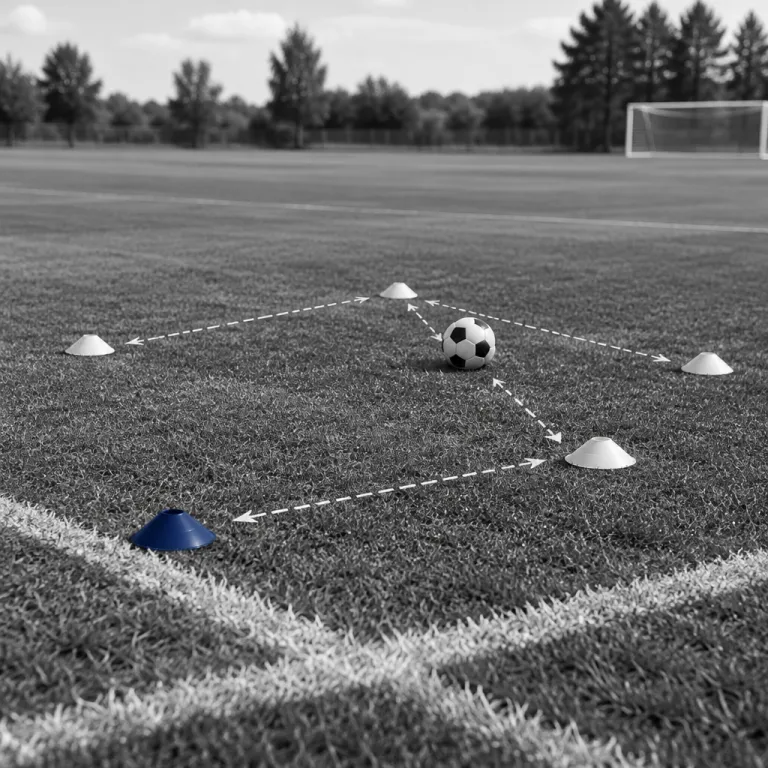
Consider how a Premier League staff maps movement patterns on the pitch to understand how players use space, pass options, and defensive coverage. Pep Guardiola’s Manchester City, for instance, relies on detailed positional maps to choreograph how full-backs, midfielders, and forwards occupy zones, ensuring that passing triangles and pressing traps appear automatically. A general manager can apply the same logic to organizational movement, mapping how information, decisions, and responsibilities travel between headquarters and business units. When you negotiate the balance between autonomy and control in complex siège filiale relations, treating them like a coordinated team play rather than a power struggle creates more sustainable alignment; see how this is framed in strategic headquarters–subsidiary negotiations.
High-level coaching practice shows that culture is not a slogan but a set of observable patterns in how players move, press, and keep possession under pressure. In your company, those patterns appear in how leaders run meetings, share data, and handle conflict with teammates and opponents in the market. When the culture is truly tactical, every executive knows at the exact moment whether to hold the ball, switch play, or launch a fast break on a new opportunity.
Building an intelligent team: roles, autonomy, and shared decision making
On the training ground, a coach does not micromanage every pass or movement, because an intelligent team must adapt to opponents space in real time. Instead, the coach defines roles, principles, and decision making rules that allow players to self organize during the game. General managers who try to script every move from the center create rigid organizations that break under pressure.
In youth football academies, the best environments balance structure and freedom so that each individual player learns both tactical understanding and creativity. The same balance is essential in executive leadership, where you want leaders who respect the collective game plan yet feel empowered to adjust when the match changes. Modern coaching practice reminds us that autonomy without a shared playing style leads to chaos, while control without trust kills initiative and slows team performance.
Human resources leaders increasingly use structured conversations to align executive behaviors with culture, much like a coach uses video based feedback to align players ball decisions with the team’s model of play. For a practical corporate example, see how alignment is refined through HR conciliation interviews and culture work, which function like post match debriefs for leadership. When your leadership group behaves like players on a pitch who share the same reference points, you get faster collective intelligence, cleaner game possession on strategic topics, and fewer unforced errors in execution.
Using video analysis and data to sharpen executive decision making
Modern football lives on data and video analysis, yet the best coaches still respect the human side of the game. They use video based tools to freeze the exact moment when a pass, movement, or defensive choice changed the match, then ask players to explain their decision making. General managers can adopt the same practice with key projects, using post mortems as a kind of corporate video analysis, even when no camera is present.
In a Premier League club, analysts track movement patterns, players ball touches, and game possession to understand how the team exploited or wasted opponents space. In your company, you can track how often decisions stall, how many times information is lost between teammates and opponents in negotiations, and where the organizational pitch becomes congested. Experience from high performance environments suggests that data only matters when it changes future training, player development, and tactical understanding, not when it is used to justify past mistakes.
For boards and executive committees, structured debriefs can function like technical sessions where the coach and players review the match together. A useful practice is to prepare a short document with key takeaways, including what worked in the team play, where defensive coordination failed, and how the collective intelligence of the group can be improved next time. When you institutionalize this habit, your leadership team becomes more like a high level football équipe that learns from every game instead of repeating the same patterns.
Translating match dynamics into board effectiveness and governance
On the touchline, a coach constantly reads the match, sensing when the team is losing control of the ball or when opponents space is opening up. In governance, a general manager must read the organizational game with the same sensitivity, noticing when the board drifts into operational play or when strategic game possession is at risk. The quality of this reading often determines whether the company reacts in time to external shocks.
In football, the best coaches use their staff as an intelligent team, where assistants bring different angles on tactics, player development, and training loads. A high performing board should mirror this diversity of perspectives, with directors contributing complementary expertise rather than repeating the same reference points. When collective intelligence is strong, the board and executive players share a common understanding game of risks, opportunities, and the tactical trade offs behind each decision.
General managers who want a more effective board can borrow from coaching methods by clarifying roles, decision rights, and the expected playing style of governance. A practical framework is to prepare targeted questions for the board, much like a coach prepares specific prompts for video analysis sessions; this approach is explored in depth in the guide on board effectiveness and the questions a CEO should ask. When the boardroom functions like a well coached team on the pitch, every match against market uncertainty becomes more manageable, and the organization stops conceding soft goals.
From youth football to corporate succession: sustaining culture over time
Elite clubs invest heavily in youth football because they know that future players must already understand the club’s playing style before reaching the first team. In the same way, a general manager who cares about culture and organizational alignment must treat leadership pipelines as long term player development programs. Succession planning is not an HR formality; it is the equivalent of preparing the next generation of players to step onto the pitch without changing the team’s identity.
In academies, coaches design training sessions that repeat key movement patterns, decision making situations, and game possession scenarios until they become automatic. Corporate learning should mirror this, exposing emerging leaders to real strategic matches where they must read opponents space, coordinate with teammates and opponents in negotiations, and protect the metaphorical ball under pressure. Experience from elite youth systems shows that when young players learn to see the whole game early, they adapt faster to Premier League intensity later.
For general managers, the key is to embed cultural reference points into every development program, from onboarding to executive education. Treat each high potential leader as an individual player whose strengths must fit the collective playing style, rather than as a generic resource to be moved around the organizational pitch. Over time, this approach creates a deep bench of leaders who can maintain team performance even when the original coach or CEO leaves, ensuring that the intelligent team outlives any single person.
Practical drills for general managers inspired by football coaching
Translating football coaching intelligence into executive practice requires concrete drills, not abstract slogans. Start with a simple exercise where your leadership team maps a recent strategic match, identifying who had the ball at each exact moment, how information moved, and where game possession was lost. This visual representation of the organizational pitch often reveals surprising gaps in coordination and defensive coverage.
Next, run a decision making drill inspired by video analysis sessions used in Premier League clubs. Present a short case, pause at key moments as if you were using video based tools, and ask each individual player in the leadership group what they would do, why, and how their choice affects teammates and opponents in the ecosystem. Over several iterations, you will see better tactical understanding, more coherent movement patterns across functions, and a stronger sense of collective intelligence in the room.
Finally, institutionalize regular training blocks where you rehearse your company’s playing style for crisis scenarios, market shifts, and major investments. Treat these sessions like high intensity practice on the pitch, where the team must protect the ball, exploit opponents space, and maintain team performance under fatigue and time pressure. When such drills become part of your governance routine, the organization behaves less like a group of isolated players and more like a synchronized, intelligent team ready for any match.
Key figures on collective intelligence and team performance
- Research from MIT’s Human Dynamics Laboratory has indicated that teams with balanced participation in conversations and higher social sensitivity tend to outperform others on complex problem solving tasks, highlighting the measurable impact of collective intelligence on team performance. (See, for example, work by Alex Pentland and colleagues on communication patterns and team effectiveness.)
- Analyses discussed in the Harvard Business Review have reported that organizations using structured after action reviews, similar to football style video analysis, often improve project outcomes compared with those that do not formalize such debriefs, suggesting a tangible benefit from disciplined learning routines.
- McKinsey & Company has reported that firms with strong leadership development programs, comparable to systematic player development in youth football, are significantly more likely to hit their performance targets over a multi year period, underlining the strategic value of long term talent cultivation.
- Deloitte’s research on high performing teams indicates that clear role definition and shared decision making principles are associated with higher employee engagement scores, echoing how a coach clarifies roles on the pitch to sustain motivation and cohesion.
FAQ on football coach style collective intelligence for general managers
How can a general manager apply football style collective intelligence without using sports metaphors internally ?
You can translate the principles into business language by focusing on shared decision rules, clear roles, and structured debriefs. Instead of talking about the pitch or the ball, talk about ownership of topics, information flows, and escalation paths. The essence is to create a common playing style for how your leadership team thinks and acts together.
What is the first practical step to build an intelligent team at executive level ?
Start by defining three to five non negotiable principles for how your leadership team makes decisions, shares data, and resolves conflicts. Use recent strategic matches as case studies and test whether these principles actually guide behavior under pressure. Adjust them until they become as clear and operational as a football coach’s tactical instructions.
How often should leadership teams run debriefs similar to video analysis sessions ?
At minimum, hold structured debriefs after every major project, product launch, or crisis, and schedule a quarterly review focused only on learning. Keep them short, focused on key takeaways, and oriented toward future behavior rather than blame. Over time, this rhythm builds a culture where continuous improvement feels as natural as post match analysis in football.
How do I balance individual star performers with the needs of the collective team ?
Define clear expectations that even star players must respect the collective playing style and decision rules. Recognize individual contributions, but measure leaders primarily on how they improve team performance and collective intelligence. When necessary, be ready to adjust roles or incentives so that no one player dominates the ball at the expense of the group.
Can these football inspired practices work in non hierarchical or agile organizations ?
Yes, because collective intelligence principles are compatible with agile methods that emphasize autonomy and cross functional collaboration. The key is to define shared reference points, such as decision rights and communication patterns, so that self organizing teams still play the same overall game. Think of it as giving multiple small équipes the same tactical framework while letting them adapt locally.